All My Hair in the Morning Light
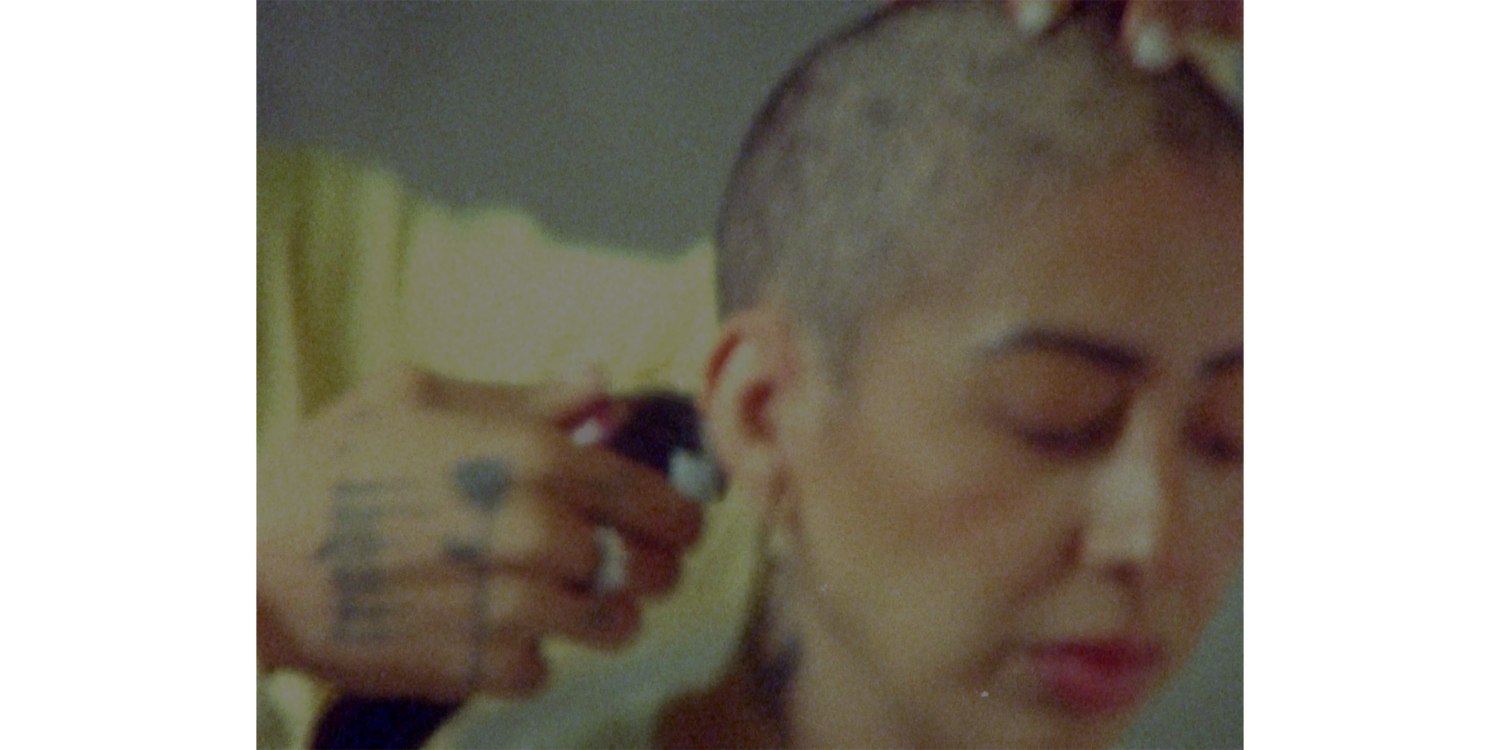
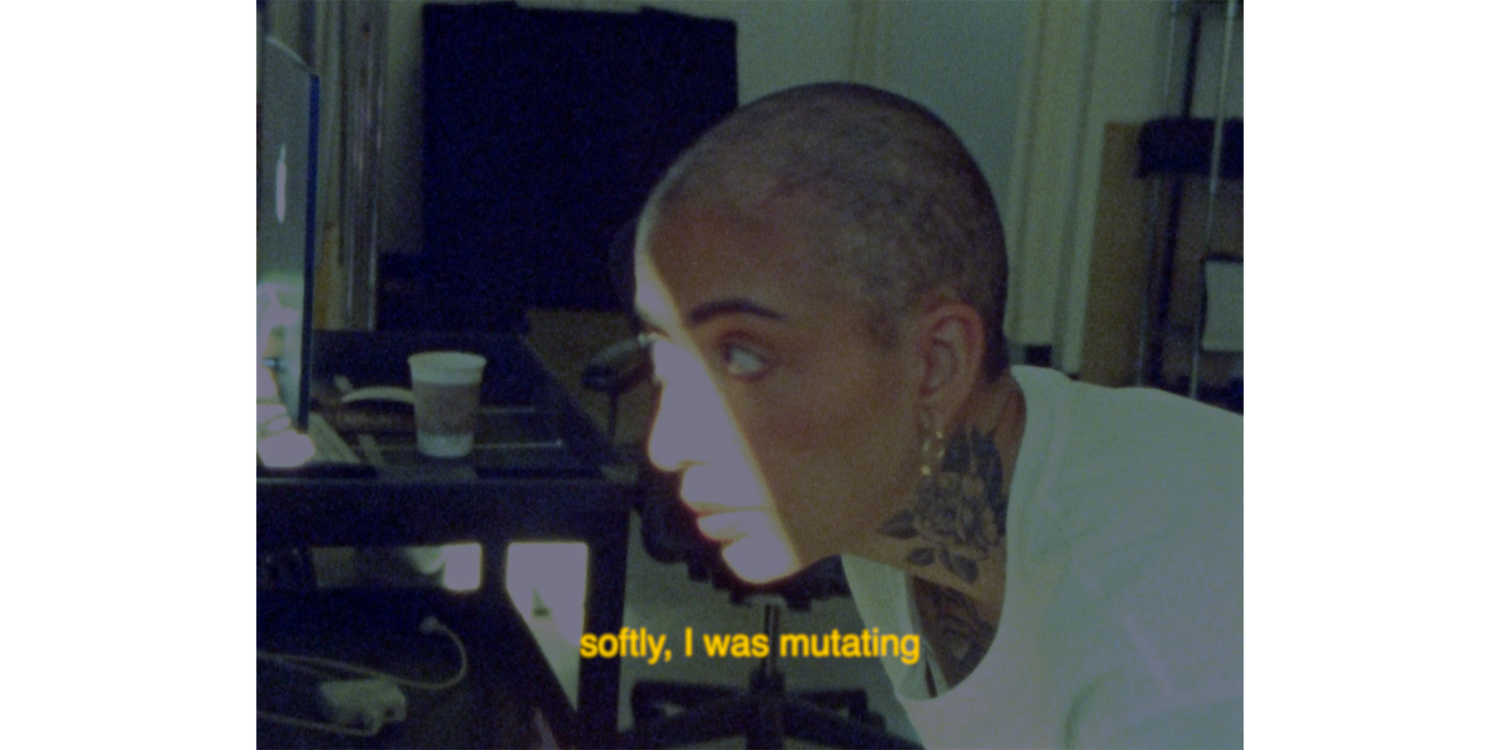
All My Hair in the Morning Light is a meditation on transformation. Kracheni was adamant about capturing her experience of losing her hair to chemotherapy. Shot on Super 8 by Zachariah Williams at Cinemaker Studios, which Kracheni founded in 2014, the work follows Kracheni through the moments her head is shaved after her first round of chemotherapy. Paired with her original text, it explores what it feels like to mutate inside one’s own body, and the monstrous feelings of decay.
Everything I Loved Was Already Changing
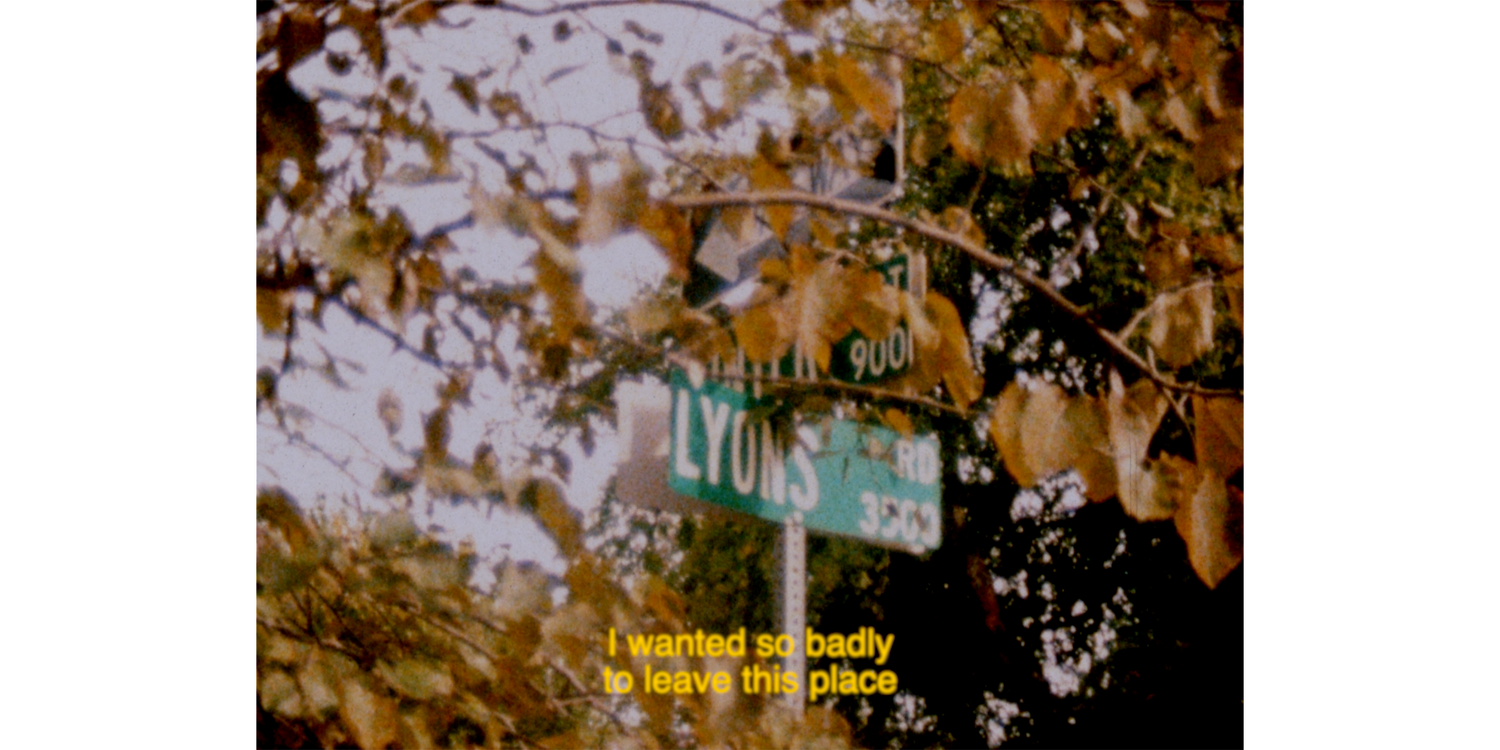
Everything I Loved Was Already Changing traces a solitary return to the East Austin neighborhood where Kracheni grew up. Familiar street corners carry her back to childhood, even as she walks through them as if seeing them for the first time. Working with the film by hand, she considers what it means to belong to a place that has changed so profoundly, and to recognize that she, too, has shed a version of herself. The film holds the distance between what remains, what disappears, and what memory allows us to inhabit.
If I Die
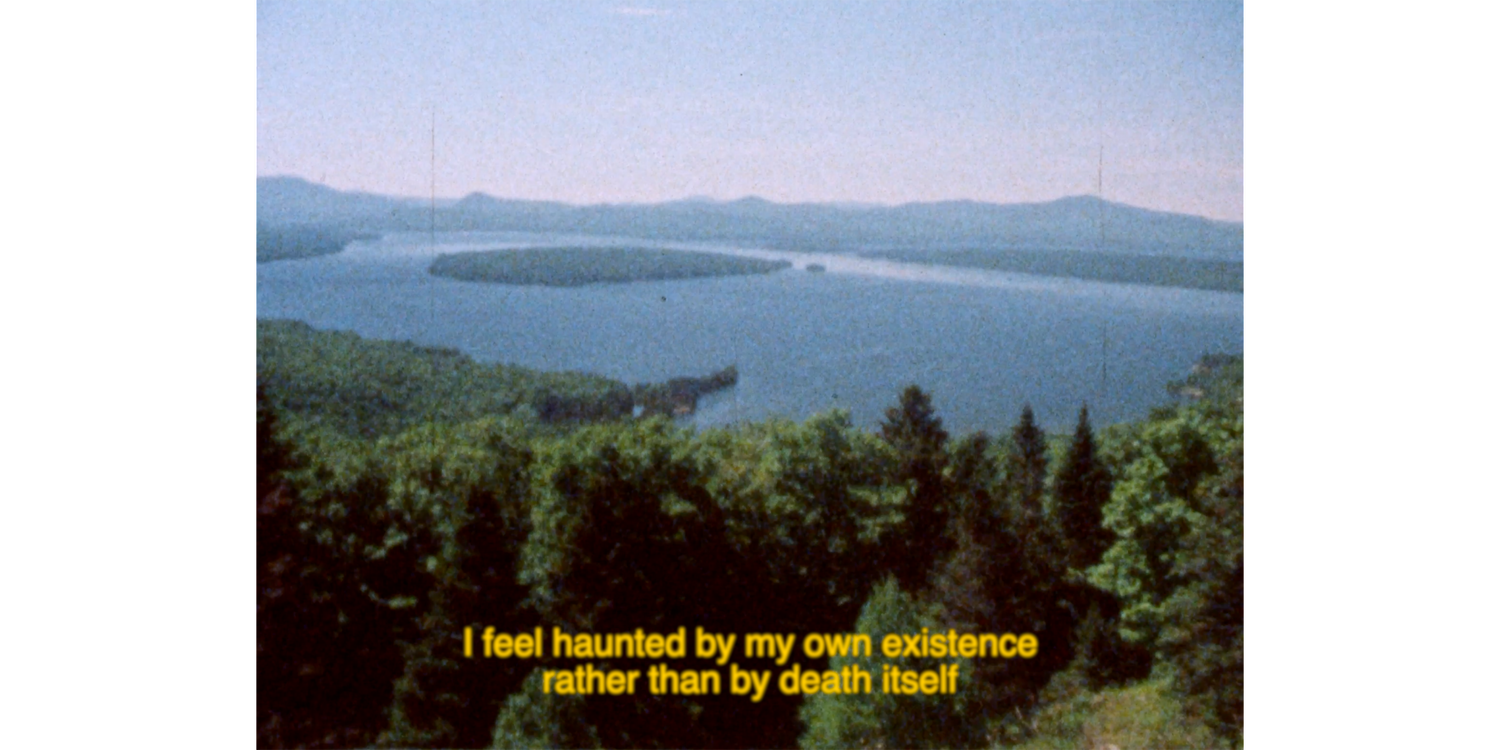
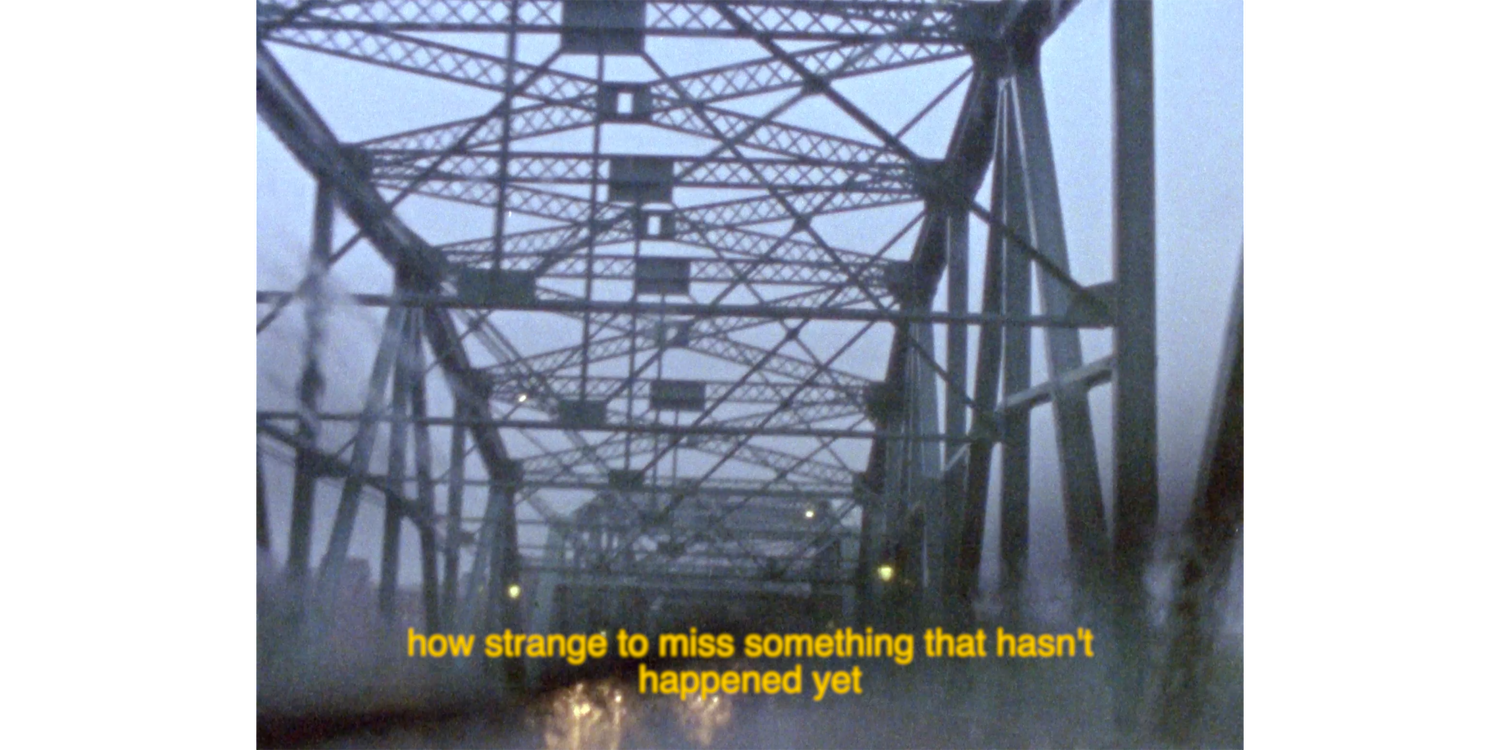
If I Die was made over a summer of travel through rural New England and along the Oregon coast, six months after chemotherapy. The work explores what death feels like once it has come near, and what it means to live inside moments as they are already becoming memories.
I’m Still Here
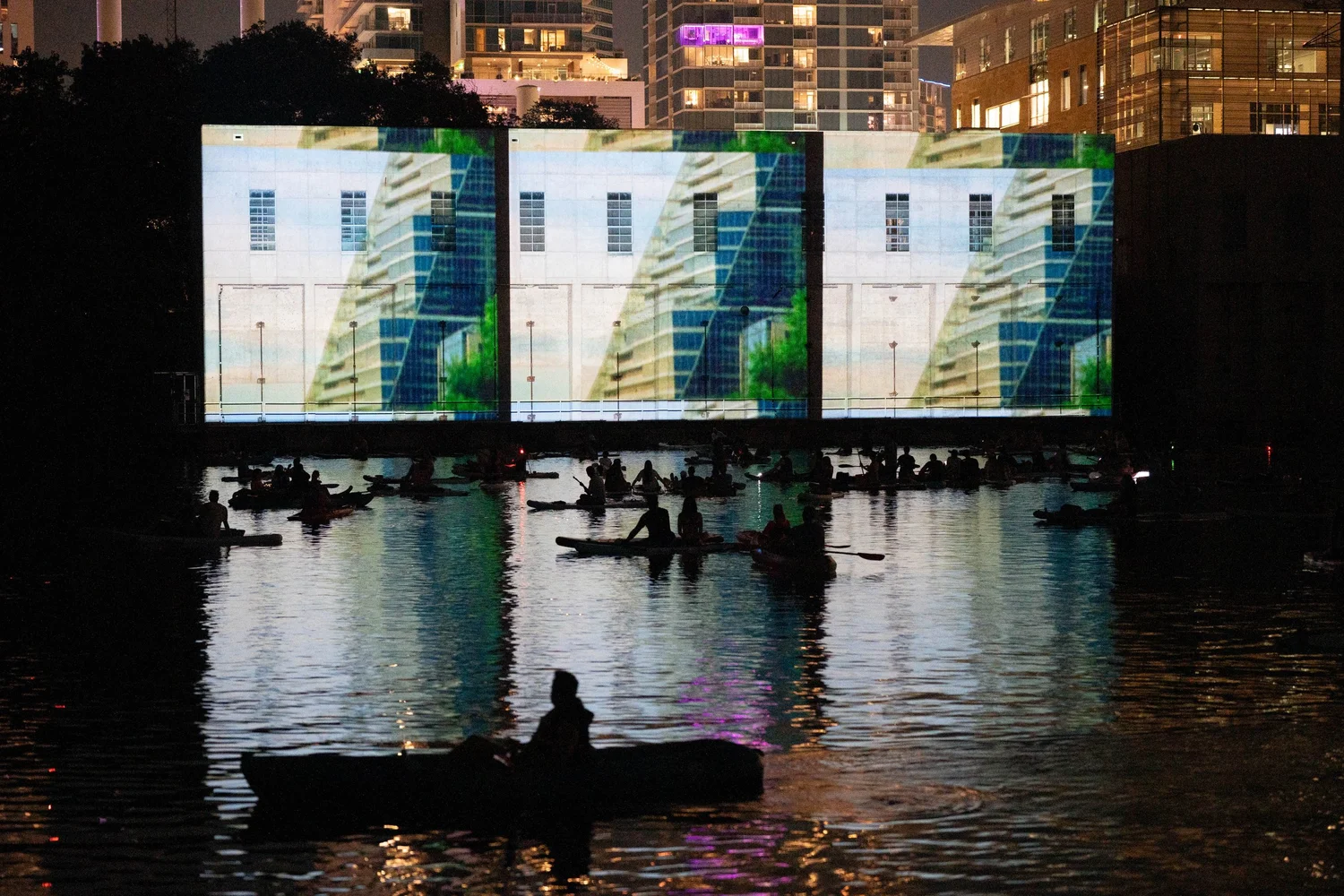
I’m Still Here is a meditation on time and place during a medical crisis. Shot on color negative Super 8, the work was edited while Kracheni awaited MRI and CT results to determine whether a grapefruit-sized tumor discovered in her abdomen was cancerous. In this suspended time, familiar images take on the weight of an uncertain future. A place can remain unchanged while our sense of being within it shifts. In September 2025 it was projected at WaterWork 2025 on the historic Seaholm Intake Facility in Austin.
BORN & RAISED
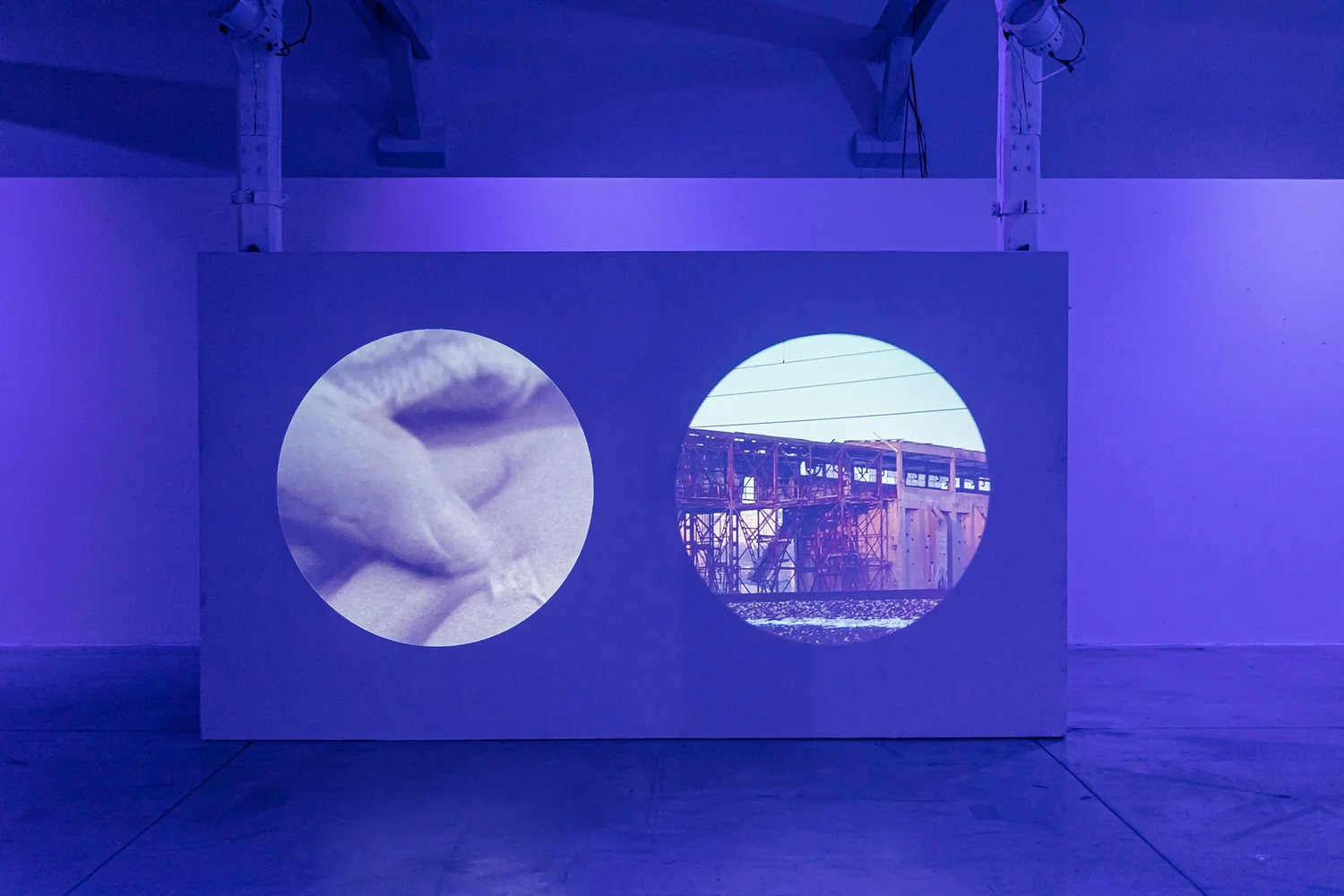
BORN & RAISED explores gentrification and cultural erasure in a redlined city whose rapid growth is creating its own urban decay. It sets that against Košice, where Hudák was also born and raised. Working oceans apart and across a language barrier, the two artists looked at each other’s realities as if through binoculars: Hudák through archival footage, Kracheni through real-time footage shot on analog film. Her sound recordings capture the inner city as construction and demolition happened around her.